
TRT 101: A modern approach to managing low testosterone symptoms
As men grow older, testosterone levels often decline, which can lead to a range of physical and emotional symptoms. Testosterone plays a critical role in energy levels, muscle strength, mood, and overall well-being. Testosterone replacement therapy, commonly known as TRT, offers a safe and effective option for men experiencing the effects of low testosterone.
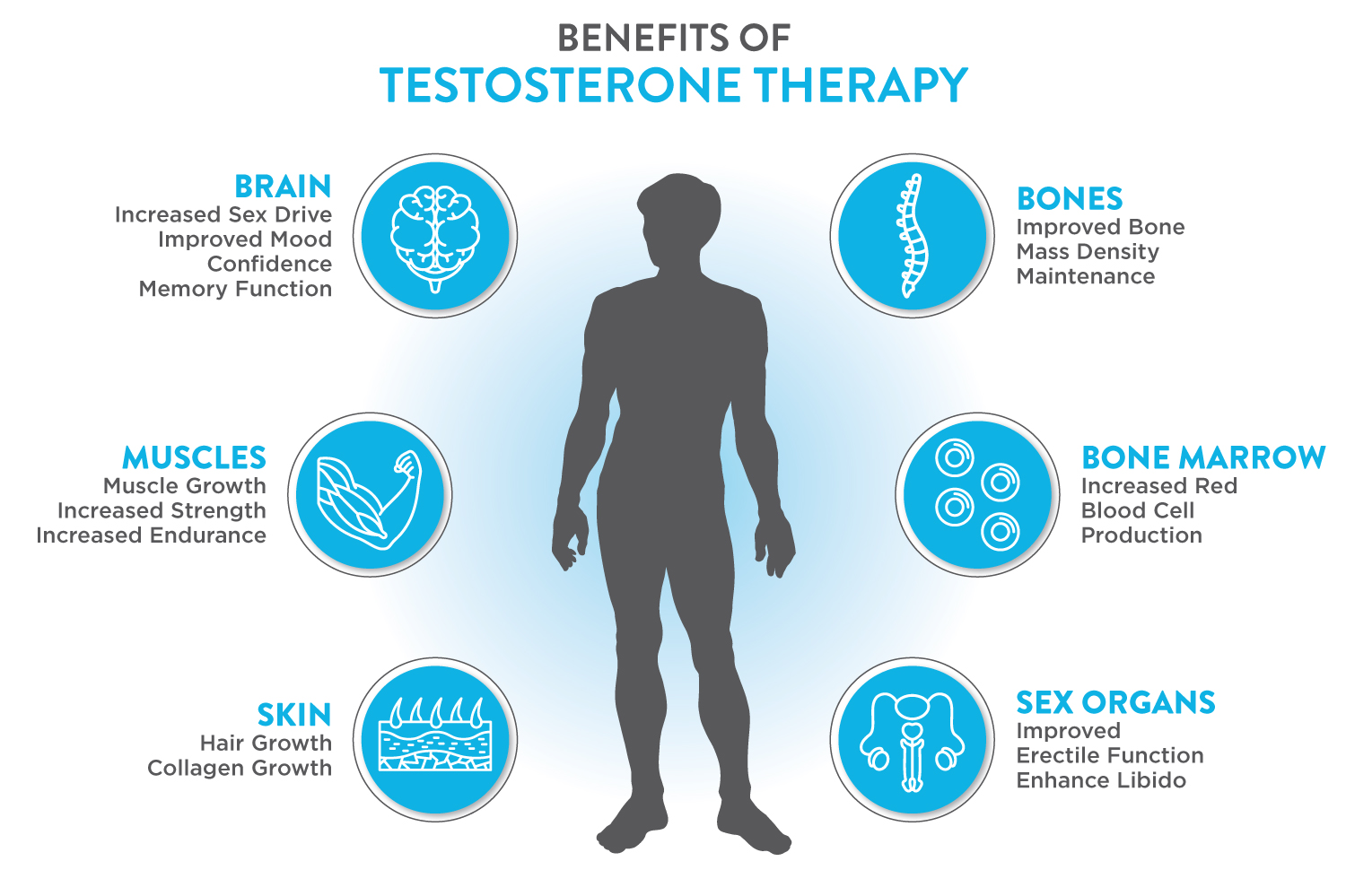
When tailored to the individual and managed long-term, testosterone replacement therapy has been shown to support stronger bone density, improve mood stability, promote a healthier balance of muscle and body fat, boost energy levels, and enhance libido. With professional oversight, testosterone replacement therapy helps address the symptoms of low testosterone while supporting long-term health.
Why does testosterone drop?
Testosterone levels naturally decline with age, typically beginning in a man’s late 30s or early 40s. This gradual decrease is a normal part of aging, but lifestyle and health factors can accelerate the process. Chronic stress, poor sleep, excess body fat, and lack of physical activity can all contribute to lower testosterone production. Certain medical conditions, such as diabetes, metabolic syndrome, and hormonal disorders, may also affect hormone balance.
Additionally, some medications and prolonged illness can interfere with testosterone levels. Environmental factors and nutritional deficiencies may play a role as well. When testosterone drops below optimal levels, men may begin to experience fatigue, reduced muscle mass, mood changes, and decreased libido, making hormonal evaluation and medical guidance increasingly important.

What is testosterone replacement therapy?
Testosterone replacement therapy is a medically supervised treatment designed to restore testosterone levels to a healthy and balanced range. It is commonly recommended for men who have been diagnosed with low testosterone through comprehensive blood testing and clinical assessment. Testosterone replacement therapy works by supplying the body with bioidentical testosterone, which closely matches the hormone naturally produced by the body.
This helps support essential functions, including energy production, muscle strength, mood regulation, cognitive clarity, and sexual health. Each TRT plan is carefully tailored to individual hormone levels, symptoms, and health goals. Ongoing monitoring and dosage adjustments ensure both safety and effectiveness, allowing patients to achieve consistent, long-term improvements while minimizing potential side effects.
How testosterone replacement therapy works in the body
TRT works by restoring testosterone levels that naturally decline over time, helping the body return to a healthier hormonal balance. Testosterone plays a central role in regulating metabolism, muscle growth, energy production, and emotional well-being.
When levels are replenished through testosterone replacement therapy, many individuals notice gradual improvements in physical strength, endurance, and daily energy. Stabilized hormone levels also support cognitive function, leading to better focus, mental clarity, and mood regulation. In addition to its effects on performance and vitality, testosterone replacement therapy contributes to stronger bone density, which is essential for long-term skeletal health.
The therapy may also assist in reducing excess body fat by supporting lean muscle development and improving metabolic efficiency. When combined with balanced nutrition, regular exercise, and healthy sleep habits, TRT can enhance overall body composition and physical resilience. These benefits develop steadily over time, making testosterone replacement therapy a sustainable option for long-term health and improved quality of life.
Common benefits of testosterone replacement therapy
TRT offers a wide range of physical and mental benefits for men experiencing low testosterone. With consistent treatment and proper medical supervision, many patients notice gradual yet meaningful improvements in daily function and overall quality of life.
Increased energy and stamina
One of the most common reasons men seek testosterone replacement therapy is persistent fatigue. Restoring testosterone levels helps support energy production, leading to improved stamina, reduced exhaustion, and greater motivation throughout the day.
Improved libido and sexual health
Low testosterone can significantly affect libido and sexual performance. TRT helps restore hormonal balance, often resulting in improved sexual desire, performance, and overall confidence.
Enhanced mood and mental clarity
Testosterone replacement therapy plays a crucial role in regulating mood and enhancing cognitive function. Many patients report improved focus, sharper mental clarity, reduced irritability, and a more stable emotional state.
Stronger muscles and physical performance
Testosterone supports muscle development and recovery. Testosterone replacement therapy helps preserve lean muscle mass, improves strength, and enhances post-exercise recovery when paired with regular physical activity.
Better body composition and recovery
By supporting metabolism and muscle retention, TRT may help reduce excess body fat while improving overall body composition. These changes develop gradually and continue to improve with long-term, medically supervised treatment.

What to expect during TRT and who is a good candidate
Testosterone replacement therapy can be administered through injections, topical gels, patches, or pellets, depending on individual needs and preferences. Treatment plans typically include regular follow-ups and blood tests to monitor hormone levels and adjust dosage. This ensures balanced results while minimizing side effects and supporting long-term success.
TRT may be recommended for men experiencing symptoms of low testosterone confirmed through lab testing. A medical consultation is essential to review health history, symptoms, and treatment goals. Personalized care helps ensure safe, effective, and realistic outcomes.
Long-term success with testosterone replacement therapy
Sustainable results from TRT depend on consistent treatment, medical monitoring, and healthy lifestyle choices. When managed correctly, testosterone replacement therapy can support long-term vitality, physical strength, and hormonal balance, helping individuals feel more like themselves again.
Thus, TRT offers a medically guided solution for men experiencing the effects of low testosterone. By restoring hormone levels to a healthy range, therapy can improve energy, mood, muscle strength, and overall quality of life. With personalized treatment plans and ongoing medical supervision, patients can achieve safe, consistent, and long-lasting results. Addressing testosterone decline early helps support both physical performance and emotional well-being.
For men struggling with persistent symptoms related to low testosterone, testosterone replacement therapy provides a science-backed path toward renewed vitality, balance, and confidence.