
Managing body weight is not always as simple as adjusting diet or increasing physical activity. Many individuals face biological factors that influence hunger, metabolism, and energy balance. In recent years, medical science has introduced new therapies designed to support individuals who need additional help with weight management. One of these options is a weight loss injection using tirzepatide.
This treatment is designed to influence the body’s hormonal signals that regulate appetite and digestion. When incorporated into a medically supervised plan, a weight loss injection can support individuals who have struggled to achieve consistent progress through lifestyle changes alone. Rather than focusing solely on calorie restriction, this therapy engages the body’s natural regulatory systems to provide a more structured approach to long-term weight management.
The role of hormones in appetite regulation
The human body relies on a complex system of hormones to regulate hunger and energy intake. These signals travel between the digestive system and the brain to help maintain balance in food consumption. However, in some individuals, this signaling process can become disrupted, leading to increased hunger or difficulty maintaining satiety.
A weight loss injection works by influencing these hormonal signals. By activating receptors involved in digestion and appetite regulation, tirzepatide enhances the body’s natural satiety signaling. This change can alter how the brain interprets fullness after meals. Rather than relying solely on strict dietary restriction, the therapy helps generate internal signals that guide eating behavior. This physiological support can make weight management strategies easier to maintain over time.

The science behind Tirzepatide
Tirzepatide is a medication that works by interacting with hormones involved in appetite signaling and glucose regulation. These hormones play a central role in how the body interprets hunger and fullness. By influencing these pathways, the medication helps regulate the communication between the digestive system and the brain.
A weight loss injection using tirzepatide activates receptors that normally respond to natural hormones released during digestion. These signals help the brain recognize when the body has received enough food. As a result, many individuals experience changes in the rate at which they feel satiated during meals. Because the medication works through hormonal pathways rather than stimulant effects, it supports a more physiological approach to weight management. This mechanism enables healthcare providers to integrate treatment into comprehensive medical weight-management programs.
How the treatment is administered
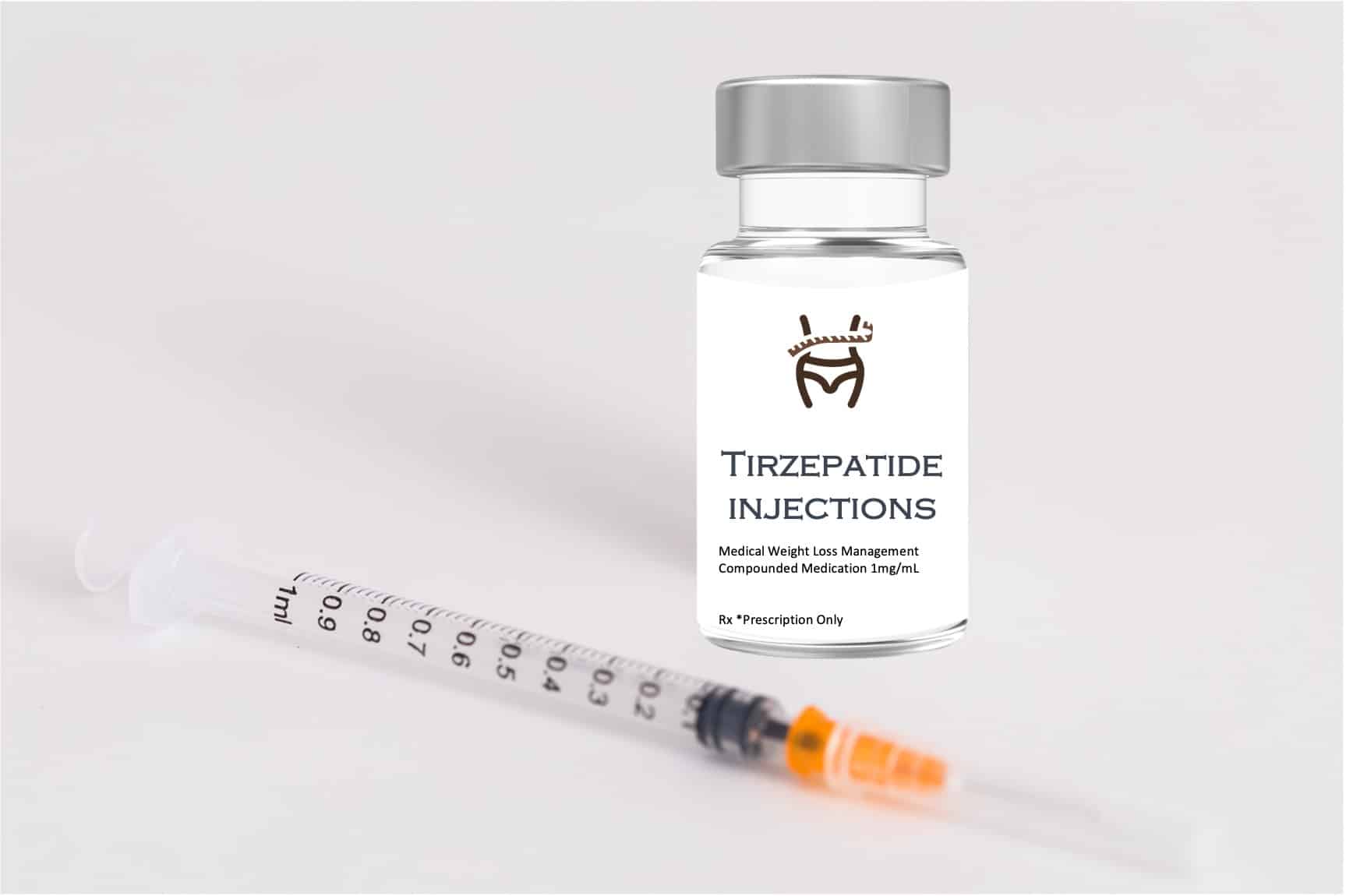
A weight loss injection with Tirzepatide is typically administered once per week. The injection is given subcutaneously, meaning it is delivered just beneath the skin. This method allows the medication to enter the bloodstream gradually and maintain consistent activity throughout the week. Most treatment plans begin with a lower dosage to allow the body to adjust to the medication.
Over time, healthcare providers may adjust the dosage based on the individual’s response to therapy. This gradual approach helps maintain stability in appetite regulation and metabolic response. Because the medication is taken weekly rather than daily, it simplifies the treatment routine for many individuals. The structured schedule also allows physicians to monitor progress and adjust treatment as needed.

Integrating medical treatment with healthy lifestyle habits
Although a weight loss injection can significantly support weight management, it works best when combined with positive lifestyle habits. Treatments that use tirzepatide influence hormones related to appetite and digestion, but long-term success still depends on balanced daily routines. Nutrition, physical activity, sleep quality, and stress management all play an important role in overall metabolic health. Healthcare providers often recommend meals that include lean proteins, vegetables, whole grains, and healthy fats.
These foods provide nutrients that support steady energy levels while helping the body respond effectively to tirzepatide treatment. Regular physical activity is also an essential part of the process. Exercise helps maintain muscle mass, supports metabolic efficiency, and contributes to improved overall well-being. When movement and balanced nutrition are combined with a weight loss injection, the body can adapt more smoothly to gradual changes in weight. Healthy routines also help the body respond better to tirzepatide therapy.
Consistent meal timing, proper hydration, and mindful eating can stabilize energy throughout the day and prevent irregular hunger patterns. Adequate sleep is equally important because disrupted sleep may affect hormones that control appetite. Stress management practices such as walking, stretching, or relaxation exercises can further support metabolic balance. When these habits work together with a weight loss injection that contains tirzepatide, individuals create a structured environment that supports steady and sustainable weight management.

A new direction in weight management
Advances in medical science continue to transform the way weight management is approached. Treatments such as tirzepatide represent a shift toward therapies that address hormonal and metabolic factors rather than focusing solely on calorie restriction. For many individuals, a weight loss injection offers additional support that complements healthy lifestyle changes.
By helping regulate appetite, improve metabolic balance, and reduce cravings, this treatment can play a meaningful role in achieving sustainable weight reduction. When guided by healthcare professionals and combined with consistent lifestyle habits, the weight-loss injection provides a modern, structured path toward healthier living and long-term weight management.